Silence Is Not Neutral
Democracies rarely collapse in moments of chaos. They erode through adjustment—when abuses of power become familiar, expectations shrink, and accountability begins to feel optional.
This essay is part of the series Watching the Drift, which examines how democratic erosion takes hold through normalization and quiet accommodation.
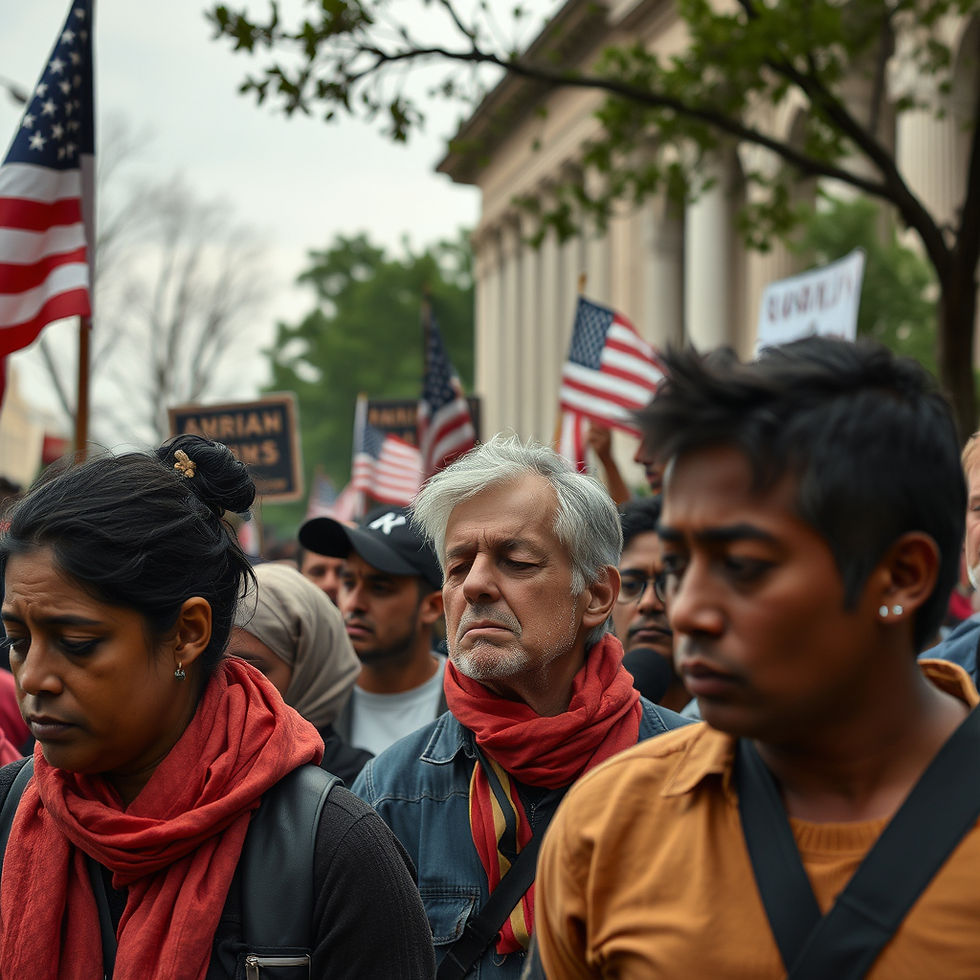
Many people are quiet right now—not because they don’t see what’s happening, and not because they don’t care.
They’re quiet because they’re tired. Because they’re scared. Because they don’t know what to say without making things worse. Because every conversation feels like a risk, and every word feels like it might be misunderstood, weaponized, or turned against them.
So they wait.They watch.They tell themselves they’ll speak when things are clearer, calmer, safer.
That instinct is human.
But silence has consequences, even when it comes from fear rather than indifference.
When people stop speaking plainly about what they’re seeing, the world doesn’t pause. It moves on without their voices in it. And over time, that absence changes what feels normal—not just in politics, but in daily life. The things that once felt wrong begin to feel unavoidable. The language grows harsher. The distance between neighbors widens.
Silence doesn’t arrive all at once. It settles in gradually, as a coping mechanism. A way to get through the day without arguing, without explaining yourself, without being labeled or dismissed.
And at first, it feels like relief.
But relief isn’t the same as safety.
What silence really does is isolate us from one another. It convinces us that we’re alone in our discomfort, that everyone else has either accepted what’s happening or moved on. It makes uncertainty feel private, when in fact it’s widely shared.
This is how people lose their voice without realizing it.
Not because anyone takes it from them—but because it starts to feel unusable.
You begin to second-guess your instincts. To wonder if you’re overreacting. To tell yourself that maybe this is just how things are now. And once that doubt takes hold, silence stops feeling like a choice and starts feeling like the only option.
But silence is not neutral.
It reshapes the space we all live in. It teaches power what it can get away with. And it erodes the small, everyday forms of solidarity that make democratic life possible—not just in institutions, but between neighbors, coworkers, friends, and families.
Speaking doesn’t have to mean shouting. It doesn’t require perfection or bravery on demand. It doesn’t mean knowing exactly what to do next.
Sometimes it means saying, This doesn’t feel right. Sometimes it means asking, Are you seeing this too? Sometimes it means refusing to laugh along, repeat the line, or look away.
Those moments matter more than we’re taught to believe.
Because voice is contagious in the same way silence is. When one person speaks plainly, it gives others permission to do the same. It reminds people that they’re not imagining things, not alone, not required to swallow their discomfort just to keep the peace.
This is how humanity is recovered—not through grand gestures, but through recognition.
You don’t have to live in silence to survive this moment. And you don’t have to carry it alone. Finding your voice doesn’t mean abandoning empathy or decency. It means reclaiming them—before silence turns them into something distant and abstract.
Silence is not neutral.
But neither is speaking.
One preserves the shrinking world we’re adjusting to.The other begins to widen it again.
It is a choice.
And like all choices made under pressure, it shapes what comes next.
The Opinionated Observer
Watching closely. Saying it plainly. Published Thursdays at 6:00 AM.
If this resonated with you, you might want to read: Who Does the Government Serve When Citizens Stop Demanding Better?
Comments are welcome. Disagreement is expected. Moderated according to the site’s comment policy.


Comments